Common Spaces II
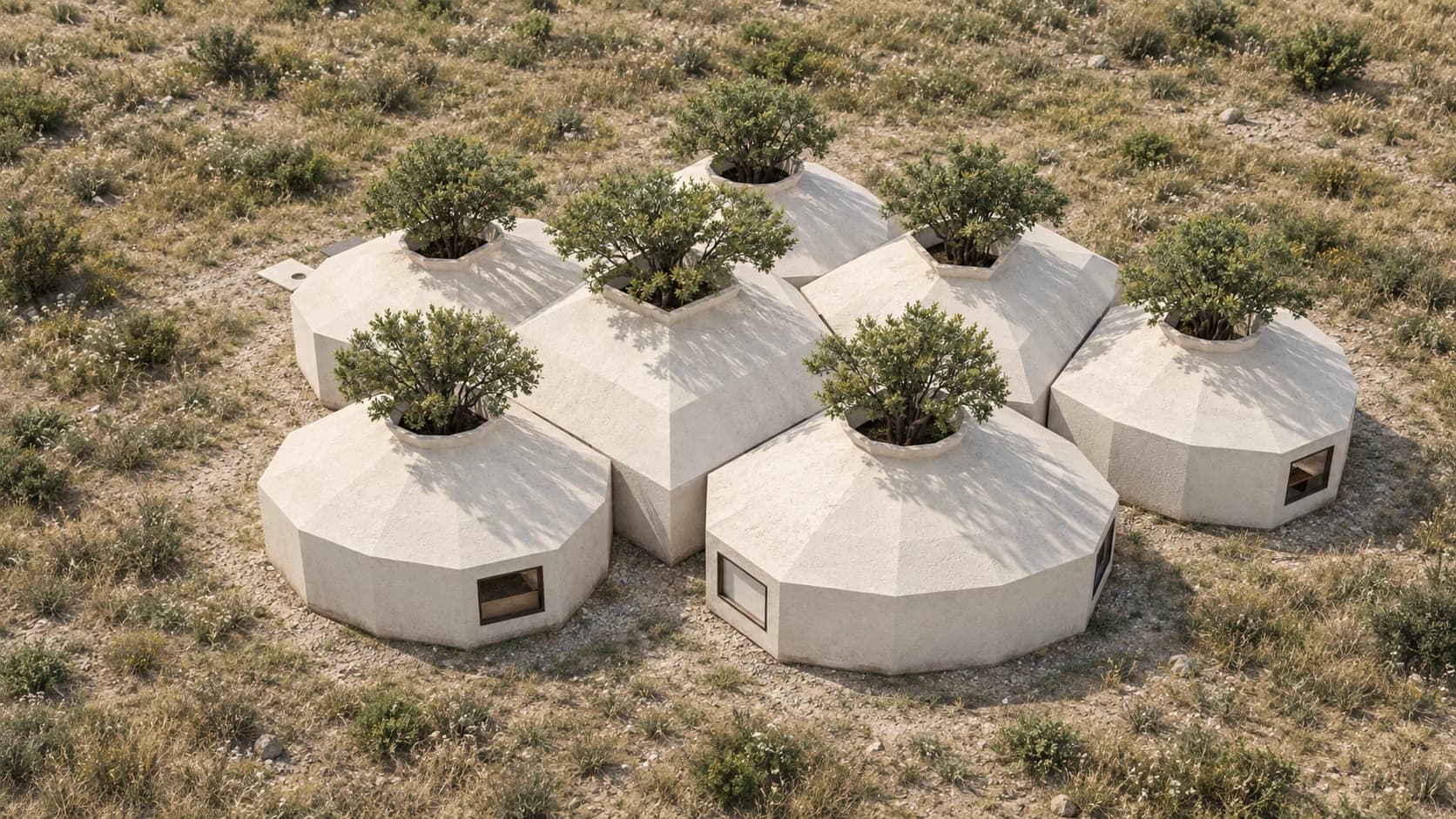
An innovative infill-development proposal combining unprogrammed green spaces, community-supported agriculture via hydroponics, and a publicly funded educational gallery — reimagining urban living through sustainable design.

Selected projects at the intersection of design, artificial intelligence, and agriculture.

An innovative infill-development proposal combining unprogrammed green spaces, community-supported agriculture via hydroponics, and a publicly funded educational gallery — reimagining urban living through sustainable design.

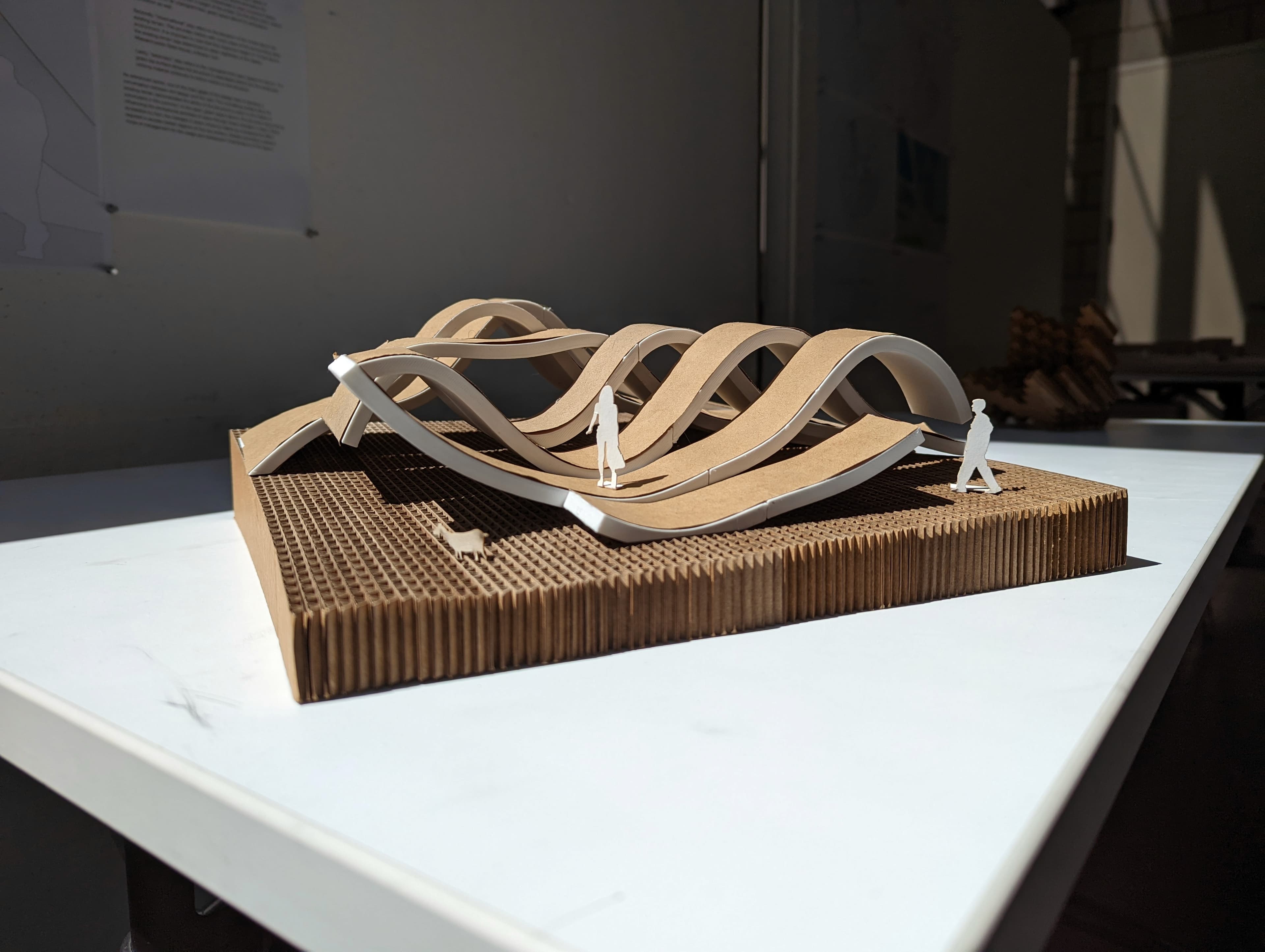
An architectural intervention on the Boston Common exploring the synergy between organic and inorganic — a responsive surface that adapts to pedestrian movement, creating ambulatory, observational, and sedentary spaces.

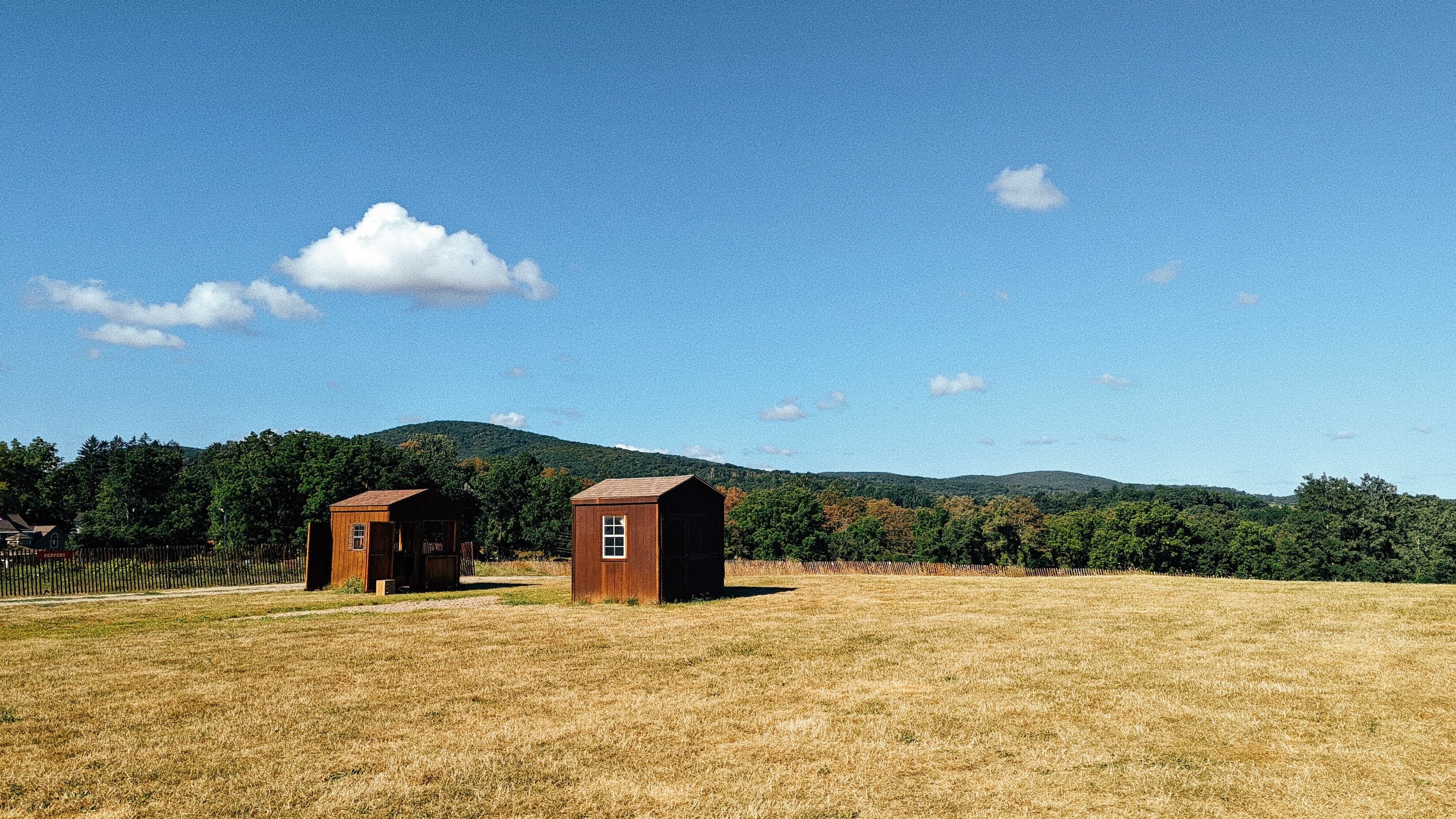
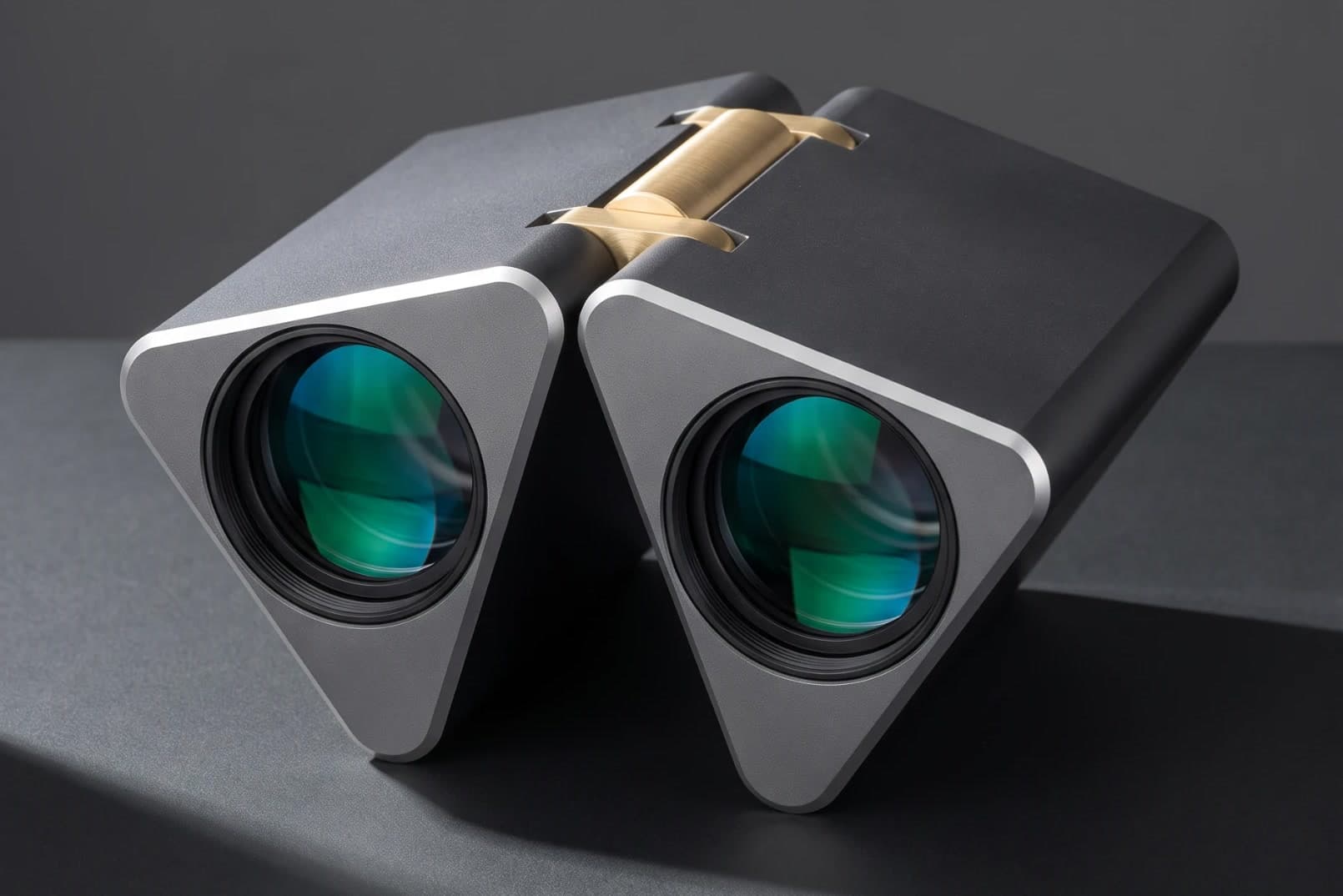
Amid the noise and chaos of urban life, Wayfarer offers a quiet escape into the pristine beauty of nature. This series captures vast horizons, untouched landscapes, and fleeting moments of light and shadow — inviting the viewer to step away from the city's relentless rhythm.

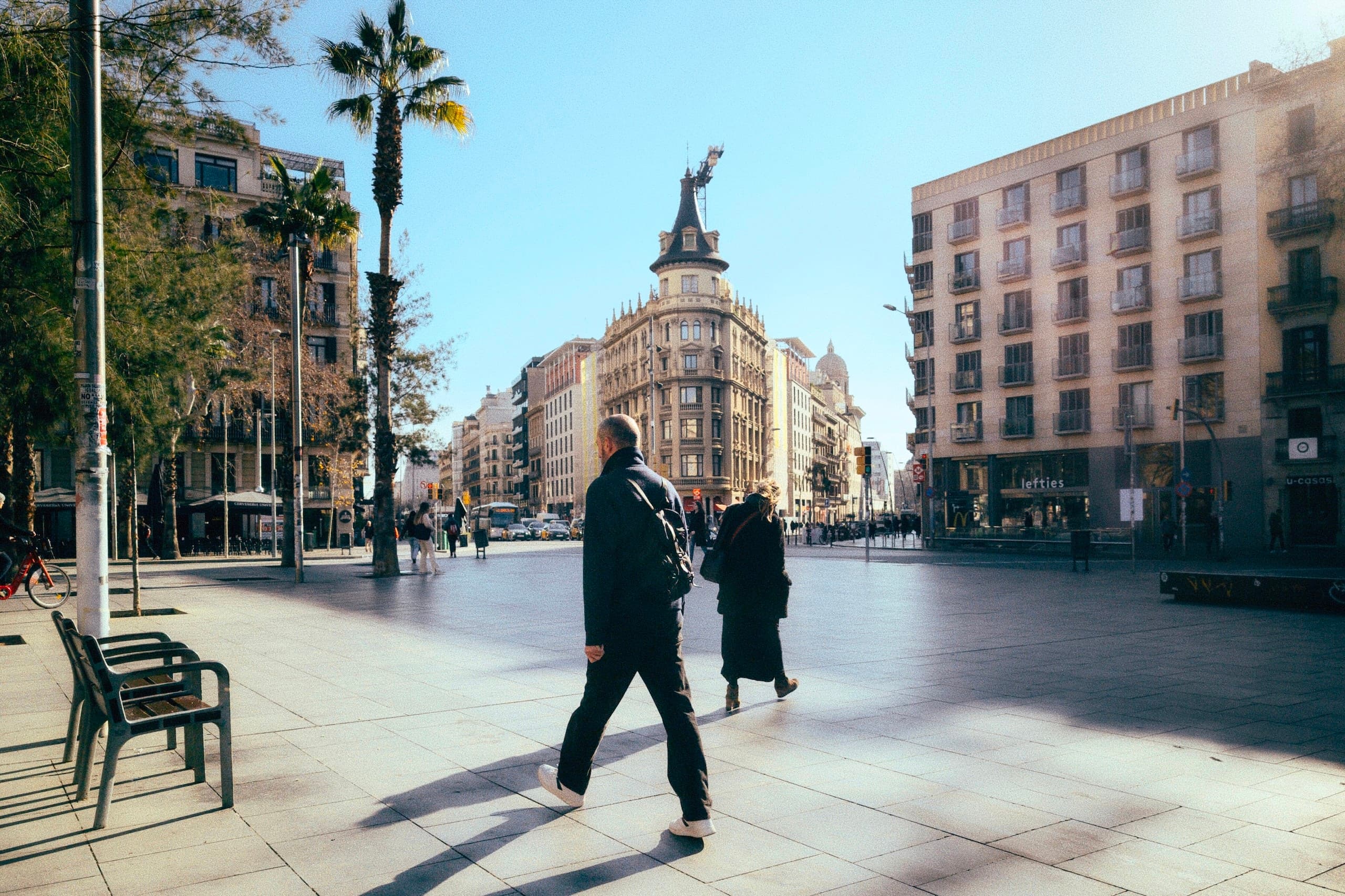
A street photography series that captures fleeting moments of urban life. In the constant motion of the city, people cross paths without a second glance, each lost in their own world. Passerby highlights the beauty in the fleeting and unnoticed.

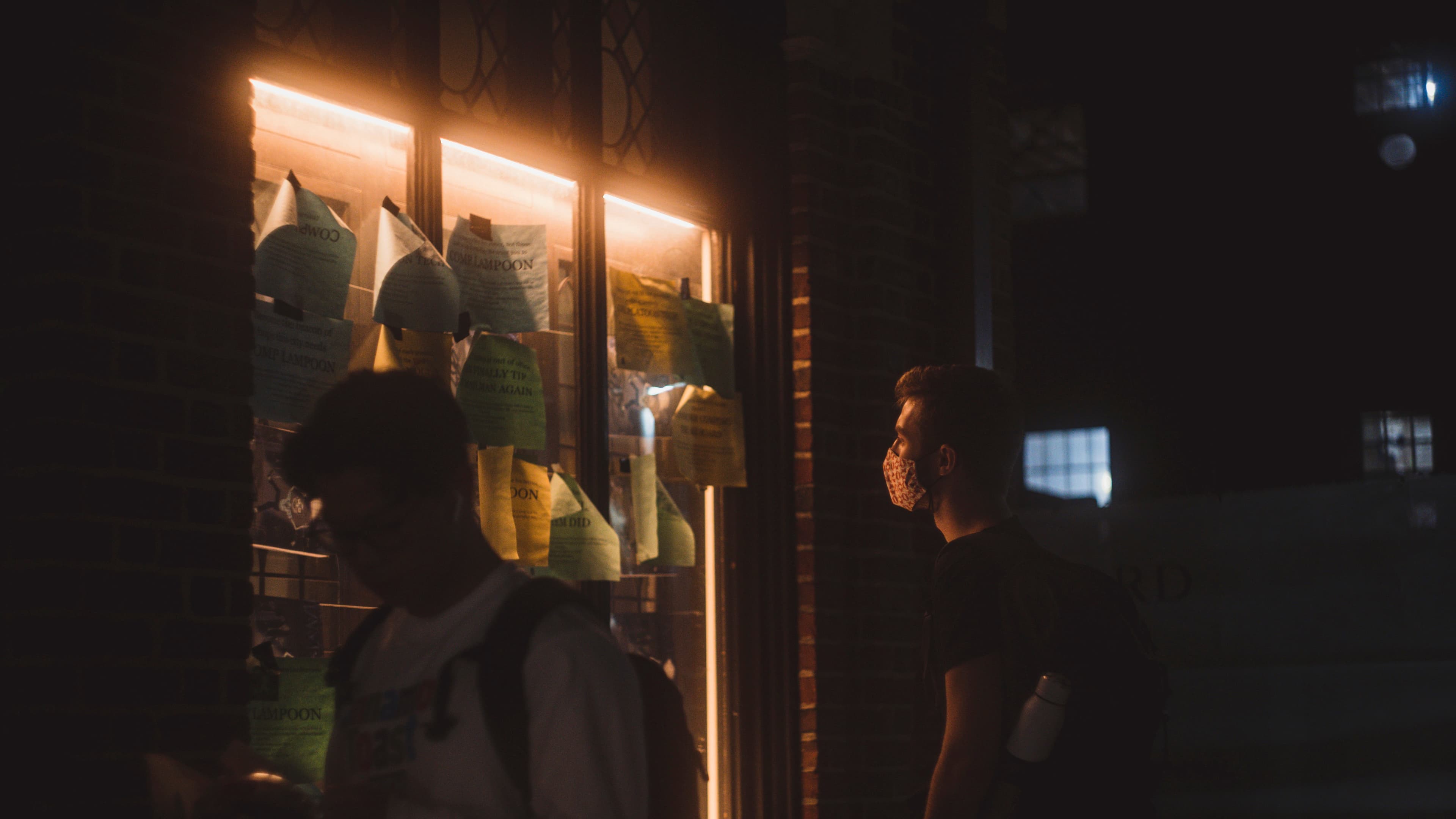
By day, Harvard Square buzzes with energy. Yet as night falls, the lively atmosphere fades, leaving individuals in quiet solitude. Moonflowers captures the nocturnal essence of the square — portraying students, residents, and late-night moments that reveal subtle themes of isolation after dark.

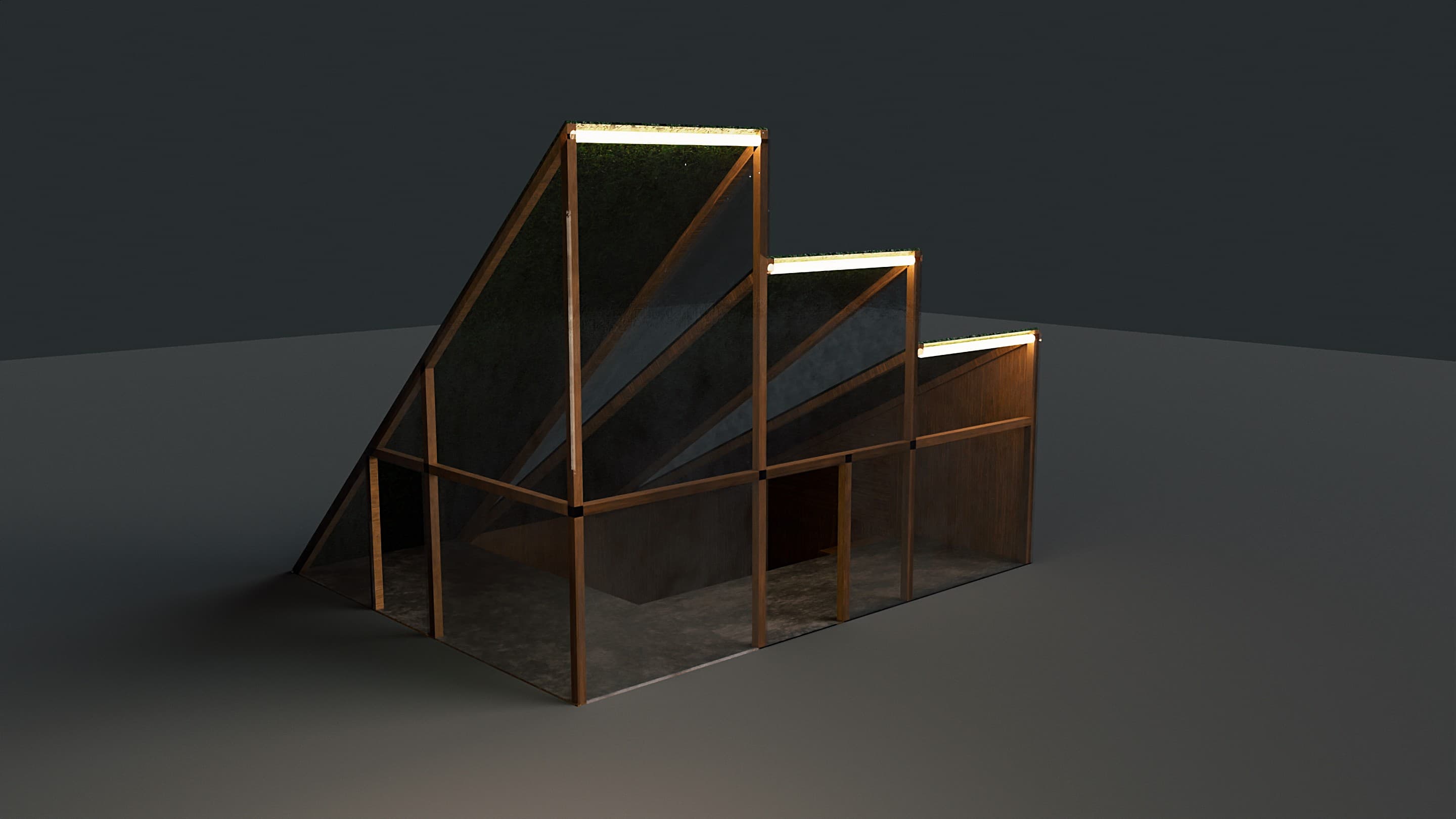
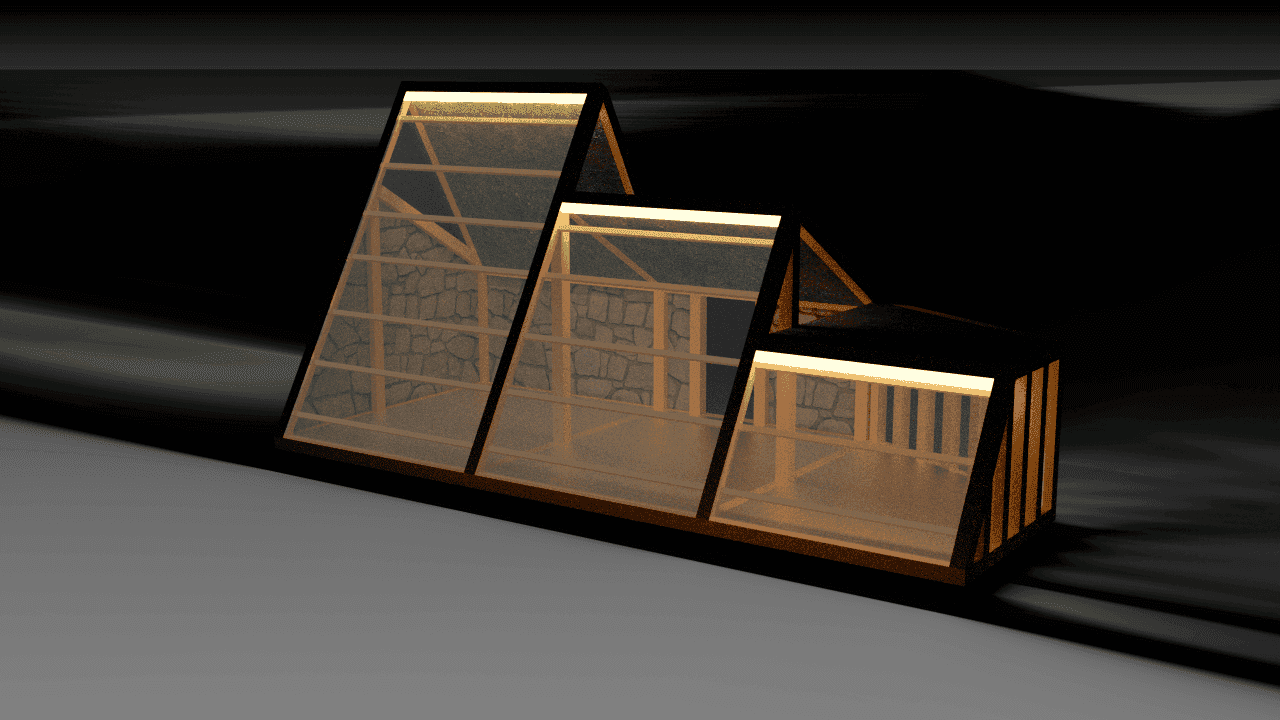
A pavilion designed as a seamless transition between built and natural environments. Leveraging natural light, organic materials, and dynamic architectural elements, the observatory creates an ever-evolving atmosphere that responds to its surroundings.

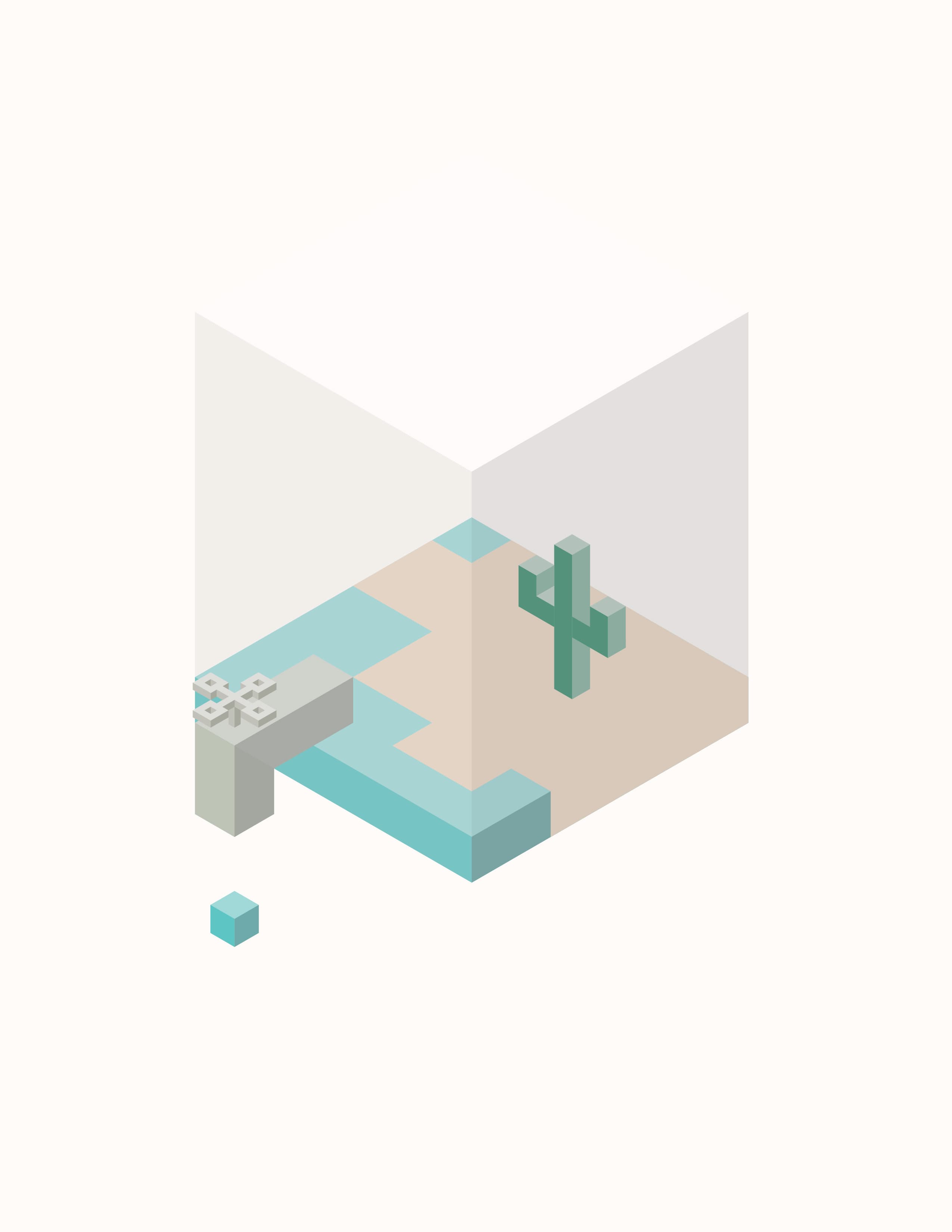
A collection of early isometric posters exploring climate change and broader environmental concerns — drought, deforestation, global warming, and isolated biomes rendered as miniature worlds.

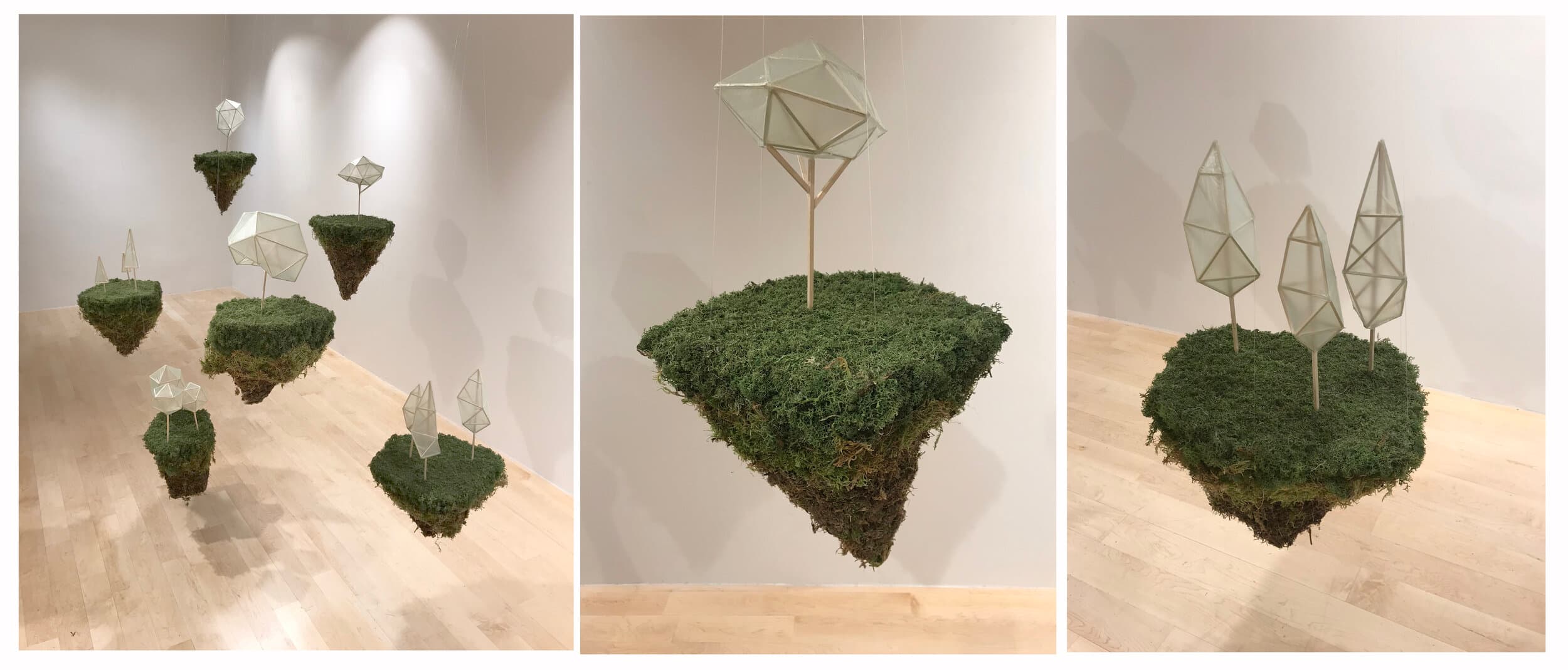
An exploration of the simulation argument through balsa wood islands. Each island is constructed with a frame representing the fundamental structure of the universe, topped with reindeer moss and plastic — representing the additional information we perceive through our senses.

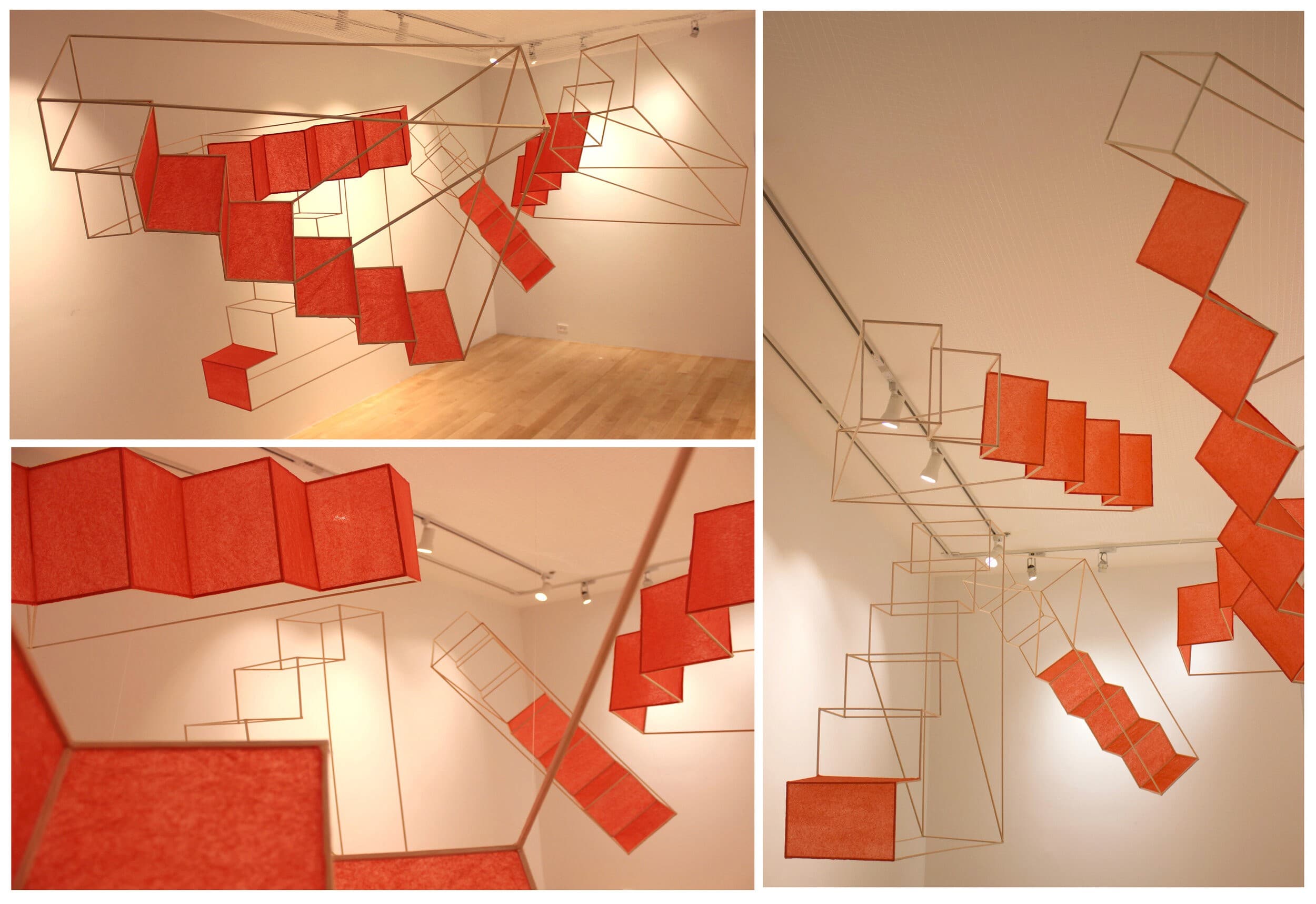
A sculptural piece portraying the feeling of being lost among a plethora of paths. Multiple red staircases crafted from balsa wood and tissue paper capture the disorientation of too many choices.

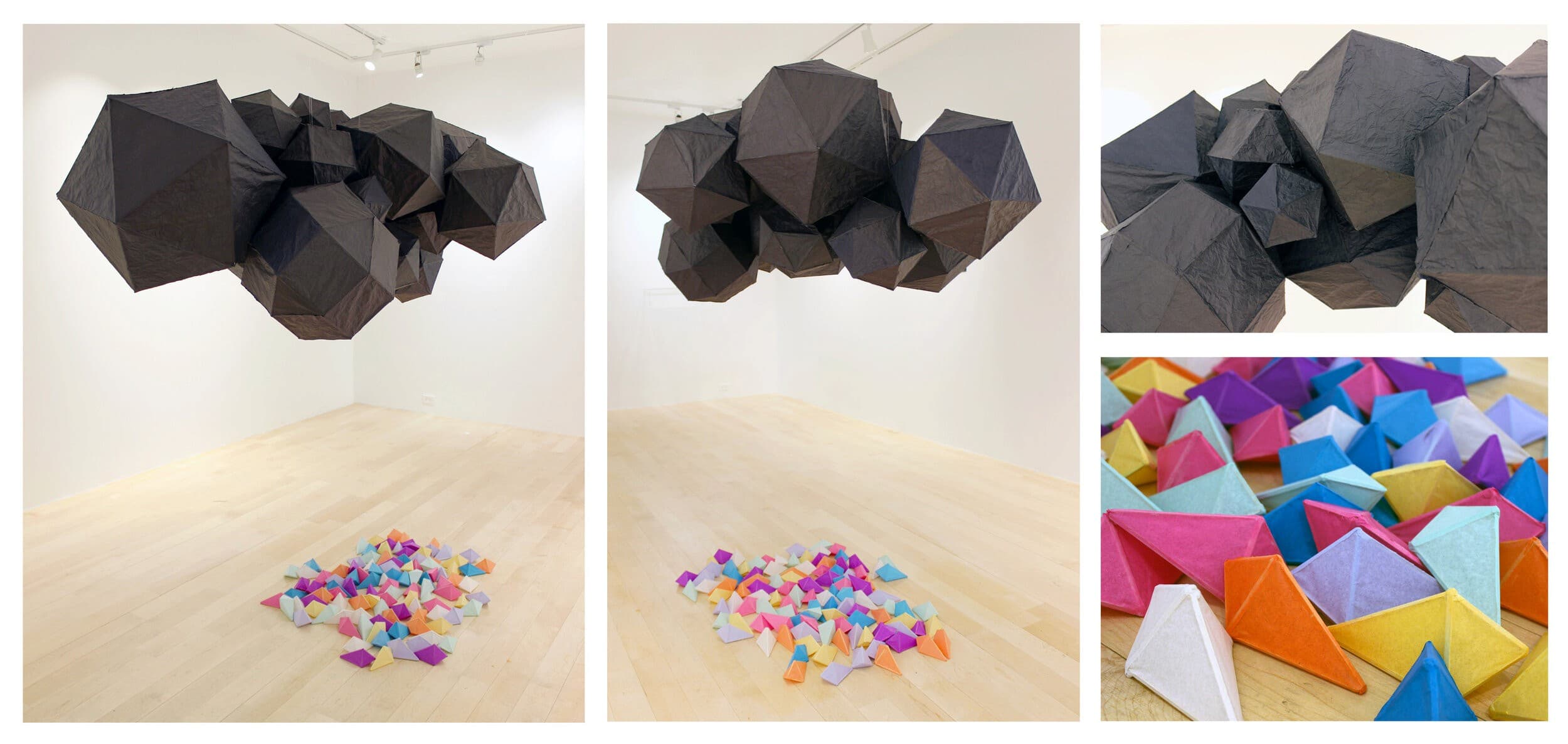
Inspired by the feeling of hope. When we look at life we often only see the flaws and troubles. Underneath the black clouds representing these flaws are pockets of hope — allowing us to carry on through the troubles that life brings.

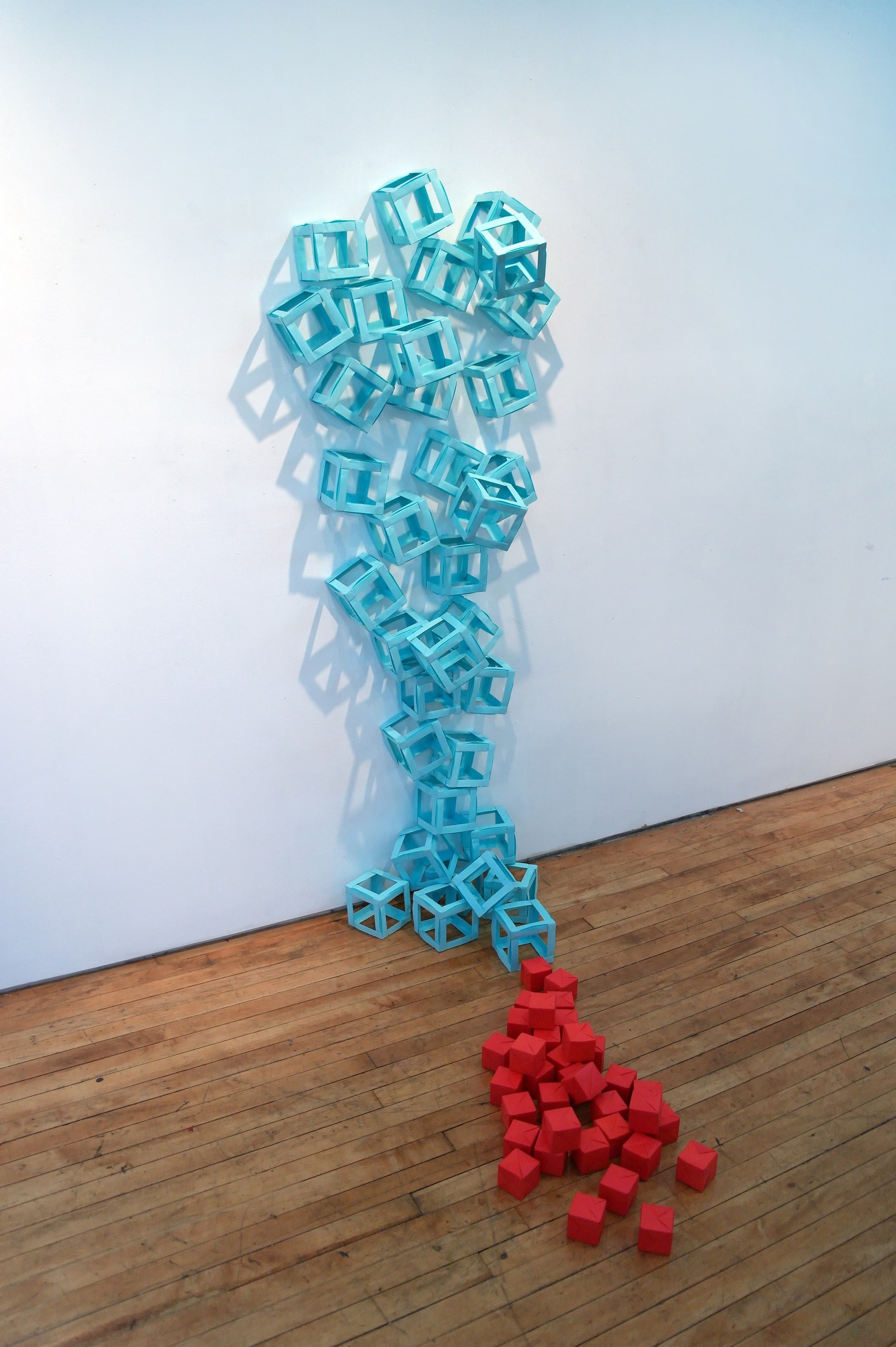
A piece showcasing how chaos and organization, often seen as opposites, are deeply related. Red cubes representing chaos are scattered yet compact; blue cubes representing organization carry tears and scratches — revealing how each concept contains the other.